Reev: New cooperation with Rexel
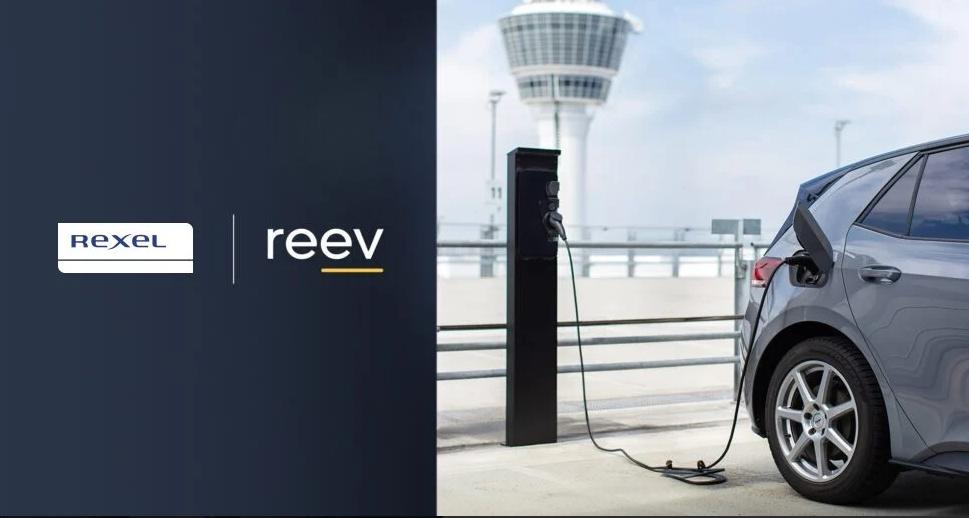
Reev is launching a new distribution partnership with Rexel Germany, one of the leading electrical wholesalers in Germany. Together, they aim to significantly simplify access to scalable charging solutions with integrated energy management for electrical installers, commercial enterprises, and property operators.
Through Rexel's established sales network, customers will be able to directly access the Reev platform in the future. The software not only supports the management and billing of charging infrastructure but also enables comprehensive energy management – including load control and the integration of renewable energy such as PV systems.
More offerings without more effort
Rexel brings its longstanding experience in the photovoltaics sector to the table. The combination of Reev software and the Rexel hardware portfolio creates solutions that can be deployed directly without major additional effort. "This partnership is a milestone for the expansion of future-proof charging infrastructures," says Verena Graf, CCO at Reev, and adds:
"Rexel Germany has a strong network and extensive experience in the area of energy distribution. Together, we can support companies even more effectively in implementing smart energy and charging solutions."
At Rexel, the cooperation is also seen as a simplification for customers: "The demand for holistic concepts for charging infrastructure and energy management is increasing," says Alfred Paulus, Head of the Campus for Renewable Energy at Rexel Germany. He adds:
"With reev as a partner, we offer a solution that considers not only the charging process but also energy distribution and the use of renewable sources."
Reev's products are now available through the Rexel Germany distribution network.
What does this mean?
For many companies, entering the electromobility sector becomes easier: Instead of laboriously piecing together individual components, they can rely on coordinated systems with thoughtful load distribution, reduced operational costs, and the ability to optimally utilize existing energy sources.
Translated automatically from German.