ETH Zurich, Bolt, and Hannover analyze user behavior of e-scooter riders
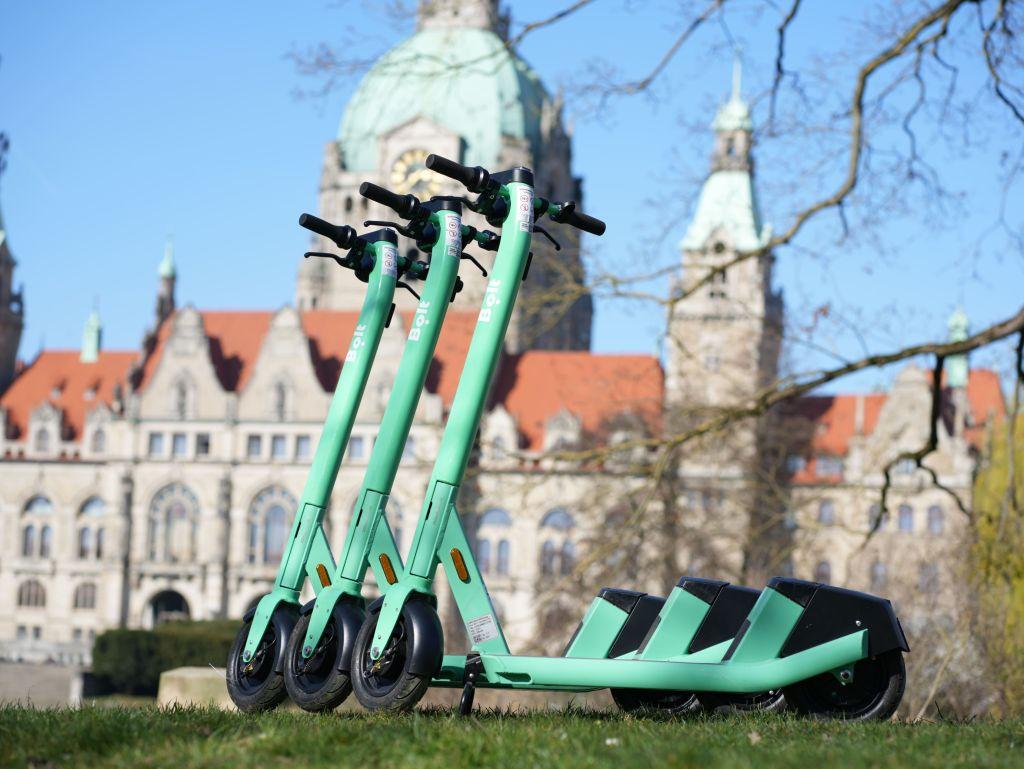
The micromobility provider Bolt and ETH Zurich, in cooperation with the state capital Hanover, have launched a research program to analyze and evaluate the mobility behavior of e-scooter users. According to those responsible, micromobility can make an important contribution to shaping the traffic transition in Hanover, which will be examined in the research project now starting. For this purpose, the city is working with the Sustainable Urban Transitions Lab – a research initiative founded by scientists from ETH Zurich, supported by the leading provider of shared mobility, Bolt. Bolt provides proprietary data to gain a better understanding of Hanover's mobility needs.
A recent analysis for Germany shows that 62 percent of Bolt scooter rides are directly linked to public transport – a clear indication of the increasing importance of shared mobility services as an alternative to private cars. The state capital Hanover is aware of the challenge of being able to help shape the shift towards new forms of urban mobility. In cooperation with the Lab, a comprehensive study will now examine current traffic habits.
The goal, among other things, is to optimize mobility hubs that flexibly connect public transport, sharing services, and the regional rail network. This project is part of the Sustainable Urban Transitions Laboratory, a collaboration between Bolt, ETH Zurich as a world-leading technical university, and the city of Hanover, aiming to advance sustainable urban mobility planning.
"The continuous development of our cities also requires an ongoing adaptation of infrastructure and its use. For these changes to bring real long-term value, both costs and benefits, as well as uncertainties regarding societal and ecological change, must be considered. The Sustainable Urban Transitions Lab offers the opportunity to translate the latest research findings into concrete solutions - for cities that want to shape urban mobility with a forward-looking approach and in the interest of their residents," says Professor Bryan Adey from ETH Zurich.
Jevgeni Kabanov, President of Bolt, points out that they have been part of the transport system in Hanover for almost four years. They are responsible for providing the data obtained for the modernization of urban infrastructure.
Translated automatically from German.